Kumartuli Legacy: The begining of divine sculpting
02nd June, 2026
Long before Kolkata became known for its grand Durga Pujas, there existed a narrow riverside neighbourhood where clay, straw, bamboo, and devotion quietly came together. Today, that neighbourhood is known across the world as Kumartuli — the soul of Bengal’s idol-making tradition and one of Kolkata’s most living heritage districts.
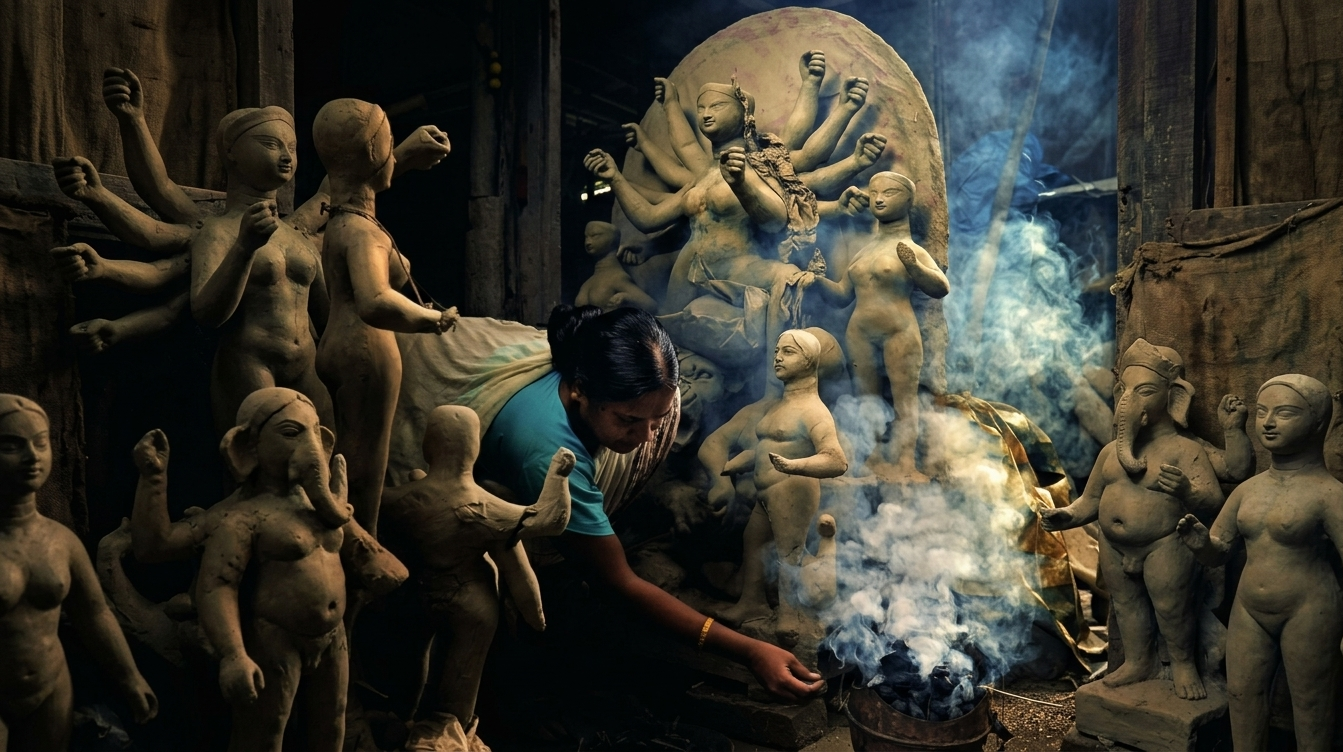
The name itself comes from two Bengali words — Kumor (potter) and Tuli (locality or quarter). Hidden within the lanes of North Kolkata, Kumartuli is not merely a market or workshop district; it is a centuries-old ecosystem of artists, sculptors, painters, and craftsmen who shape the visual identity of Bengal’s biggest festival.
How Did Kumartuli Begin?
The origins of Kumartuli trace back to the 18th century during the expansion of colonial Calcutta under the British East India Company. After the Battle of Plassey in 1757, the British reorganised settlements around Sutanuti, Gobindapur, and Kalikata, gradually forming what would become Kolkata. Artisan communities were grouped into occupational neighbourhoods — oil pressers, carpenters, metal workers, and potters all received designated quarters. Kumartuli emerged as the potters’ settlement during this period.
But Kumartuli’s deeper cultural story began when wealthy Bengali zamindars and bonedi families started organising elaborate Durga Pujas. Raja Nabakrishna Deb of Sovabazar Rajbari is widely credited with popularising one of Kolkata’s earliest grand Durga Pujas after 1757. Skilled idol makers were brought from Krishnanagar in Nadia — then renowned for clay artistry — to sculpt the deities. Many eventually settled permanently along the Hooghly riverbanks, giving birth to modern Kumartuli.
Why Kumartuli Became the Heart of Durga Puja
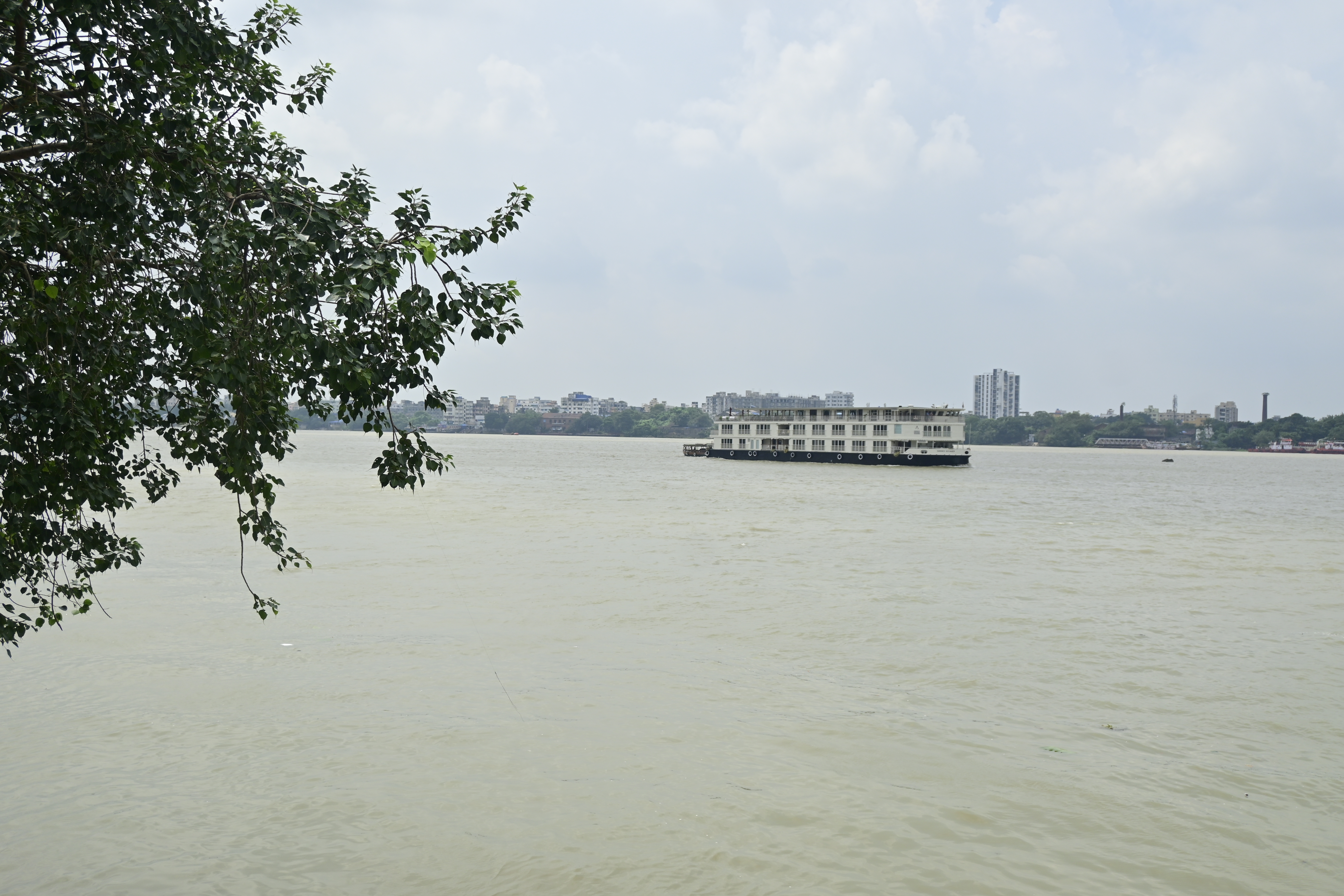
Kumartuli’s location was strategic. The nearby Hooghly river provided fine alluvial clay essential for idol-making, while North Kolkata’s aristocratic households created growing demand for increasingly elaborate idols.
Initially, idol-making was seasonal. Artisans spent the rest of the year producing household pottery and clay utensils. But as Durga Puja evolved from private zamindari celebrations into community-wide sarbojanin festivals during the early 20th century, the scale of idol-making transformed entirely.
Today, thousands of idols travel from Kumartuli every year — not only across Bengal, but to Delhi, Mumbai, London, Toronto, New York, Singapore, and Melbourne. What once served local courtyards now connects Bengali communities across continents.
The Art Behind the Idol
Walking through Kumartuli feels like stepping inside unfinished mythology.
The process begins with bamboo skeletons tied together by hand. Straw gives the idols shape, followed by layers of river clay. Once dried, artisans carve facial expressions with astonishing precision before painting and dressing the deities.
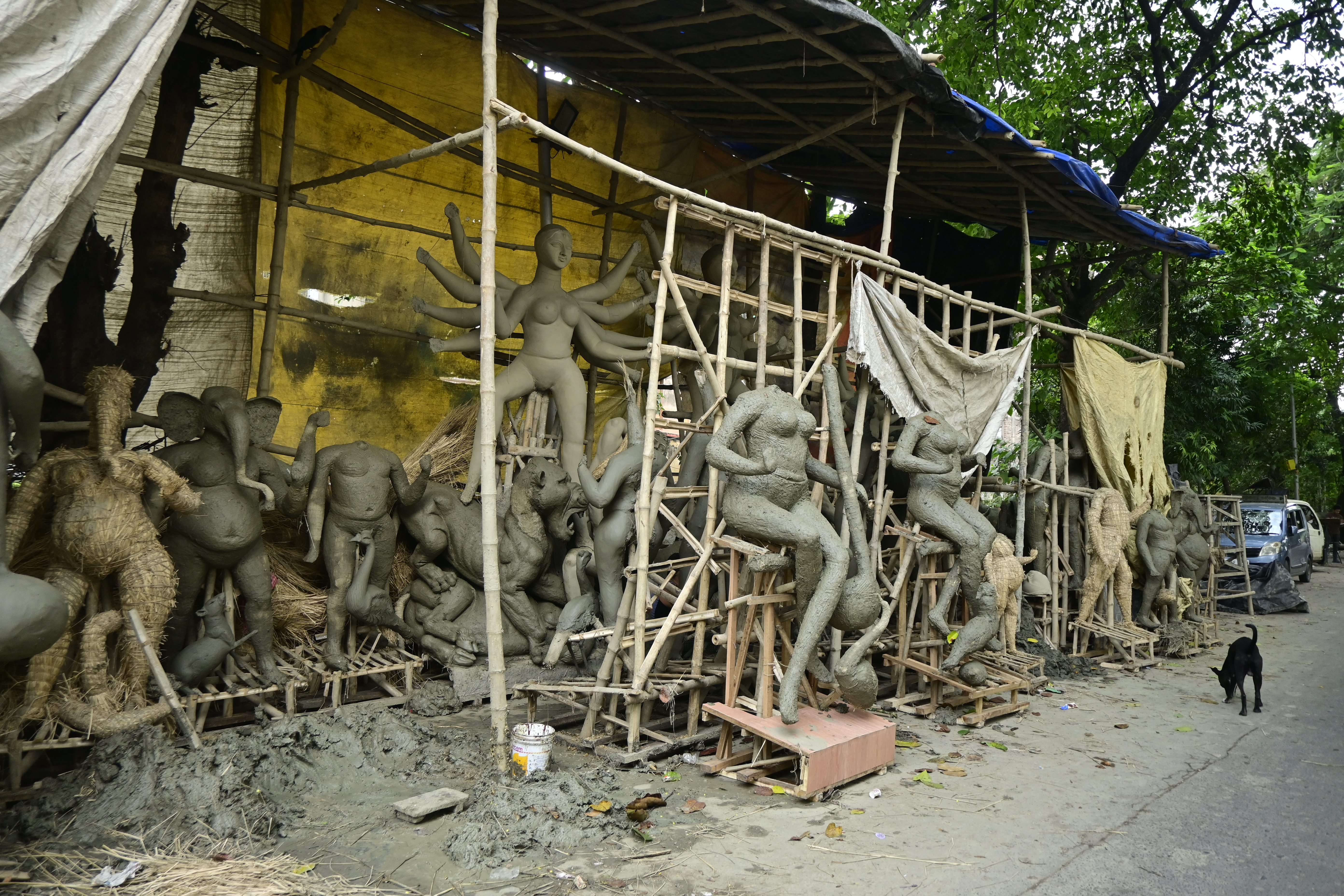
One of the most sacred rituals is Chokkhu Daan — the painting of the eyes — believed to symbolically invoke life into the idol.
Despite modern technology transforming most industries, Kumartuli still survives largely through hand craftsmanship passed down through generations. Many workshops are family-run, with techniques inherited over centuries.
Even today, during monsoon months, artisans battle humidity, flooding, and drying challenges using tarpaulins, fans, and makeshift heating systems to keep production on schedule before Durga Puja.
More Than a Tourist Attraction
Most visitors arrive at Kumartuli before Durga Puja to photograph giant unfinished idols. But Kumartuli is not a staged heritage exhibit — it is a working neighbourhood where art and livelihood coexist.
Behind every idol lies months of labour, uncertain seasonal income, rising material costs, and intense deadlines. Yet despite these challenges, Kumartuli continues to preserve one of Kolkata’s most powerful artistic traditions.
This is what makes Kumartuli special: it represents Kolkata’s ability to turn ordinary spaces into living culture.
Kumartuli and the Spirit of Zyvago
At Zyvago, we believe Kolkata is best understood not through monuments alone, but through the people, crafts, stories, and neighbourhoods that keep its identity alive.
Kumartuli is not just where idols are made. It is where memory is sculpted. Where devotion becomes art. Where Kolkata prepares itself emotionally for Durga Puja long before the lights appear on Park Street.
If you enjoyed reading about Kumartuli, you may also like exploring the stories behind Kolkata’s historic streets in our previous feature: “The Story Behind Kolkata’s Most Famous Street Names.”
Because in Kolkata, every lane carries history — and some lanes create gods.
— Team Zyvago