The Story Behind Kolkata’s Most Famous Street Names
26th May, 2026
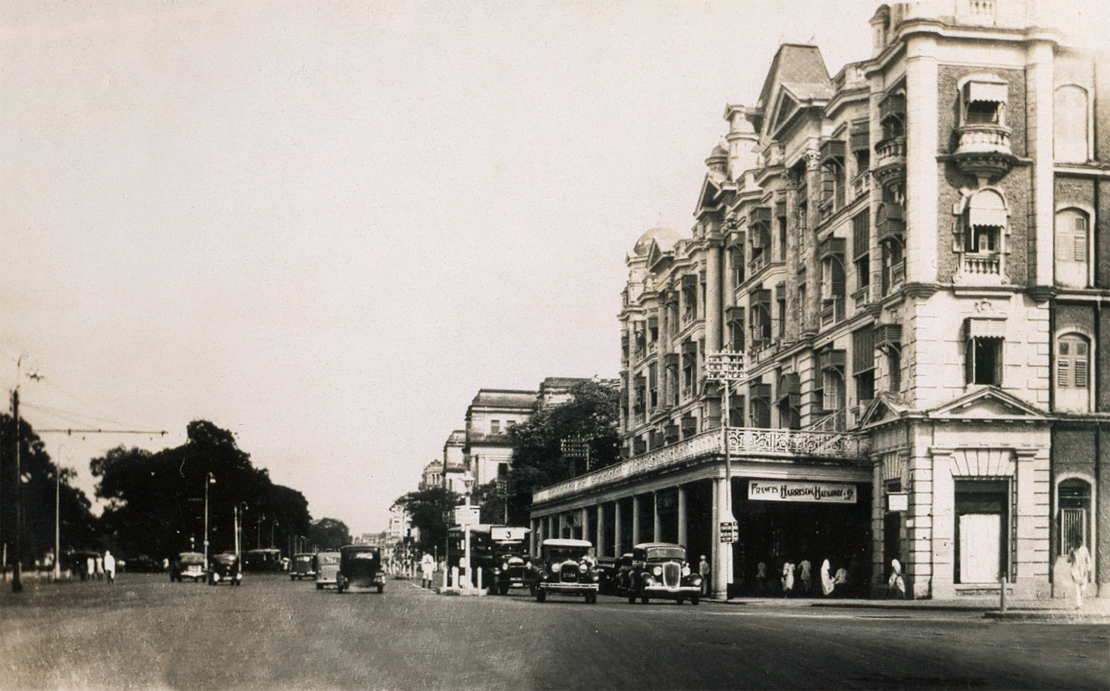
Why Do Kolkata’s Street Names Carry So Much History?
In Kolkata, street names are more than navigation markers — they are living archives of trade, colonial ambition, pilgrimage routes, intellectual movements, and Bengali aristocracy. Many of these names predate modern Kolkata itself and survive as fragments of the city’s layered past.
Take Chowringhee, now officially Jawaharlal Nehru Road. Historians and archival records suggest the name existed before Calcutta emerged as a colonial capital. Eighteenth-century documents describe the region as a forested route leading pilgrims toward Kalighat Temple. Scholar P. Thankappan Nair identified it as the old “Pilgrim Road” to Kalighat, while other interpretations connect the name to the village “Cherangi” or the yogi Chouranginath.
Nearby, Dharamtala — anglicised into “Dharmatolla” during British rule — evolved from a multicultural religious quarter. The name likely originated from “dharam tala,” meaning a sacred resting or religious ground, reflecting the coexistence of mosques, temples, shrines, and processional routes in the area during the eighteenth and nineteenth centuries.
Which Kolkata Streets Still Reflect the City’s Cultural Identity?
College Street earned its identity through education rather than empire. Home to institutions such as Presidency University, Sanskrit College, Calcutta Medical College, and the University of Calcutta, the street gradually transformed into Asia’s largest second-hand book market and Bengal’s intellectual nerve centre. Its nickname, Boi Para — “the neighbourhood of books” — remains culturally inseparable from Kolkata’s literary identity.
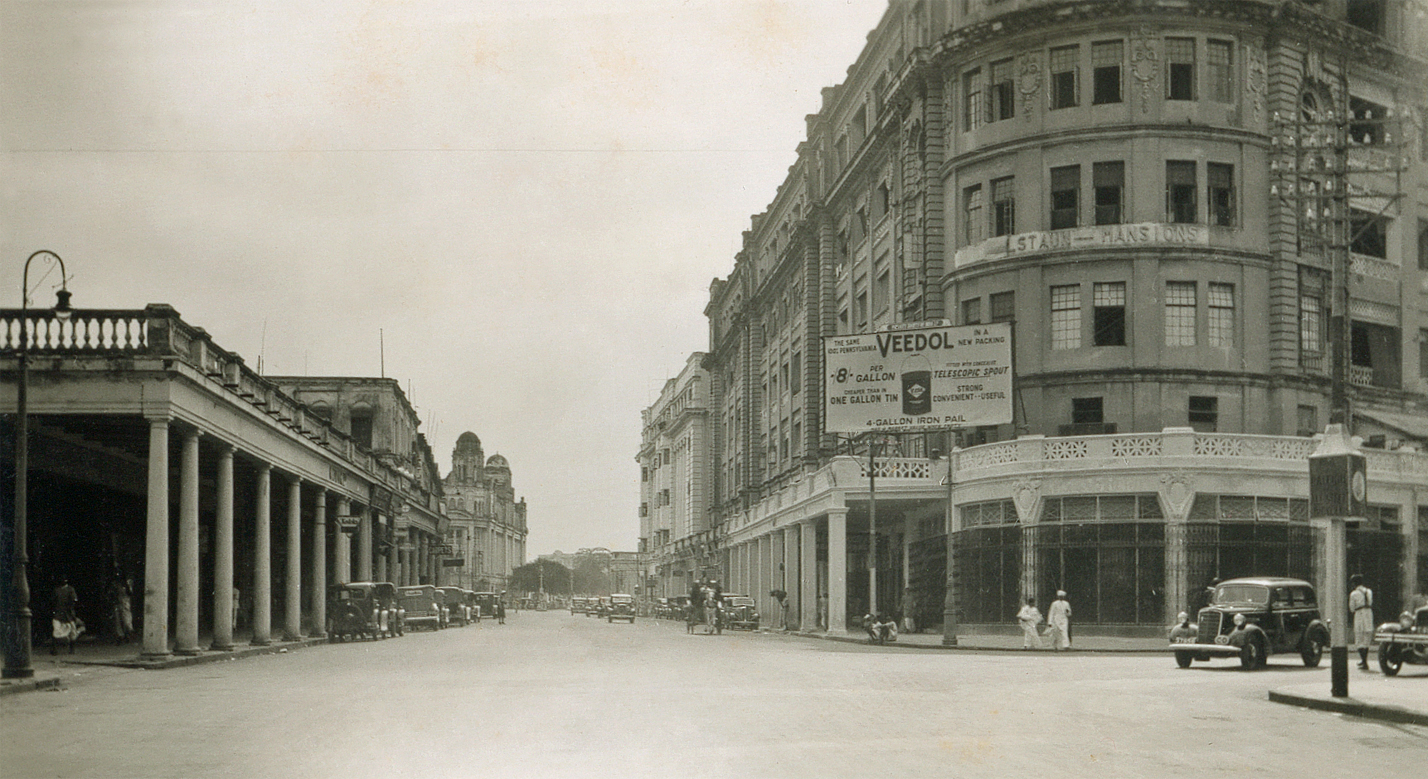
Then there is Park Street, today officially Mother Teresa Sarani. Contrary to its glamorous modern image, archival records show the road was once called “Burial Ground Road” because of the cemeteries surrounding it. The later name emerged from the deer park owned by Sir Elijah Impey, Chief Justice of the Supreme Court in eighteenth-century Calcutta.
The preservation of these names — despite official renamings — reveals something uniquely Kolkata: the city remembers through language. Every crossing here is both a destination and a historical footnote.