Kolkata - The Cultural Capital of India
09th June, 2026
Why Kolkata is India’s Cultural Capital?
There are cities that grow with time, and then there are cities that shape time itself. Kolkata belongs to the latter.
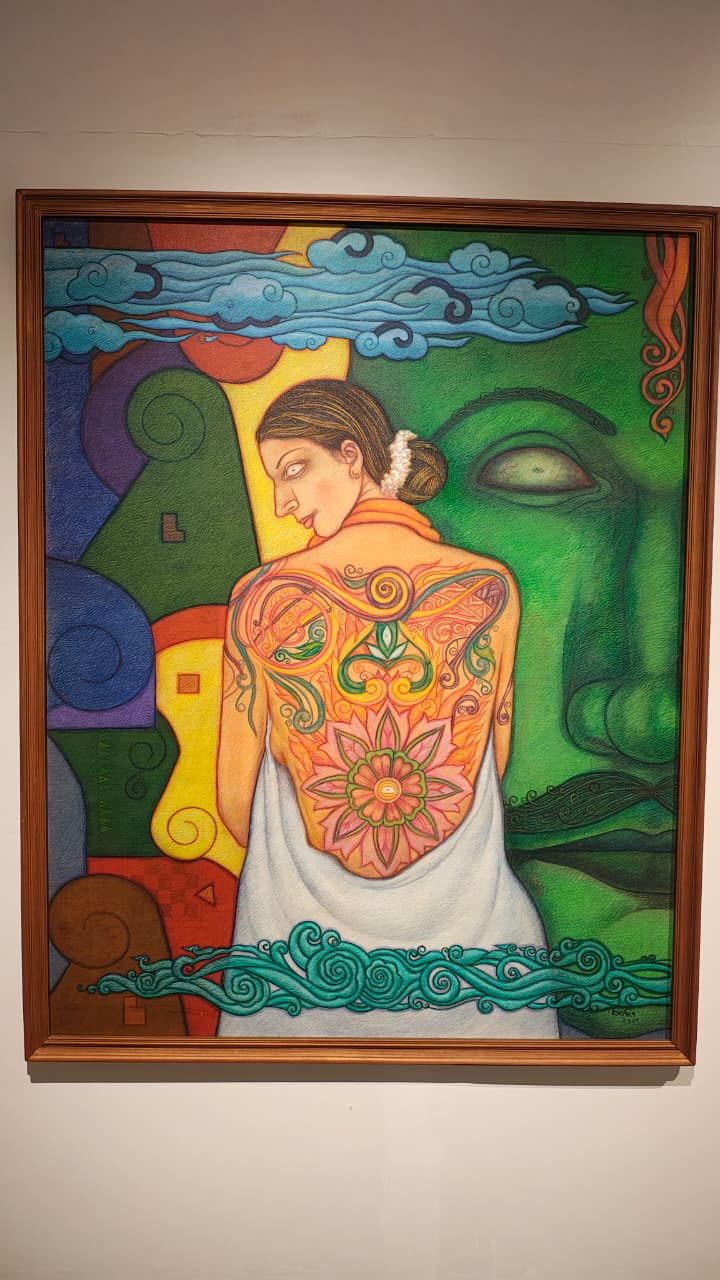
Often called India’s Cultural Capital, Kolkata is not just a city of monuments and memories — it is a living canvas of literature, music, theatre, art, cinema, intellectual thought, and timeless traditions. From the poetic words of Rabindranath Tagore to the rhythmic beats of Durga Puja dhaks echoing through ancient lanes, Kolkata breathes culture in every corner.
But what truly makes Kolkata deserve this title?
A City Built on Literature & Intellectual Thought
Kolkata has long been the intellectual heartbeat of India. It gave birth to thinkers, poets, philosophers, revolutionaries, and reformers whose ideas shaped modern India.
The city was home to legends like Rabindranath Tagore, Satyajit Ray, Bankim Chandra Chattopadhyay, and Swami Vivekananda. Their influence continues to define not just Bengali culture, but India’s cultural identity as a whole.
Walk into the legendary College Street — often called the world’s largest second-hand book market — and you will still find students debating politics over tea while hunting for rare books hidden beneath dusty shelves.
In Kolkata, literature is not confined to libraries. It lives in conversations.
The City Where Art Lives in the Streets
Art in Kolkata does not belong only inside galleries. It belongs to the people.
From the hand-painted walls of North Kolkata to the timeless craftsmanship of Kumartuli, creativity flows through the city’s veins. Kumartuli, where artisans sculpt idols for festivals across the world, stands as one of Kolkata’s greatest examples of preserving tradition while sustaining livelihoods through art.
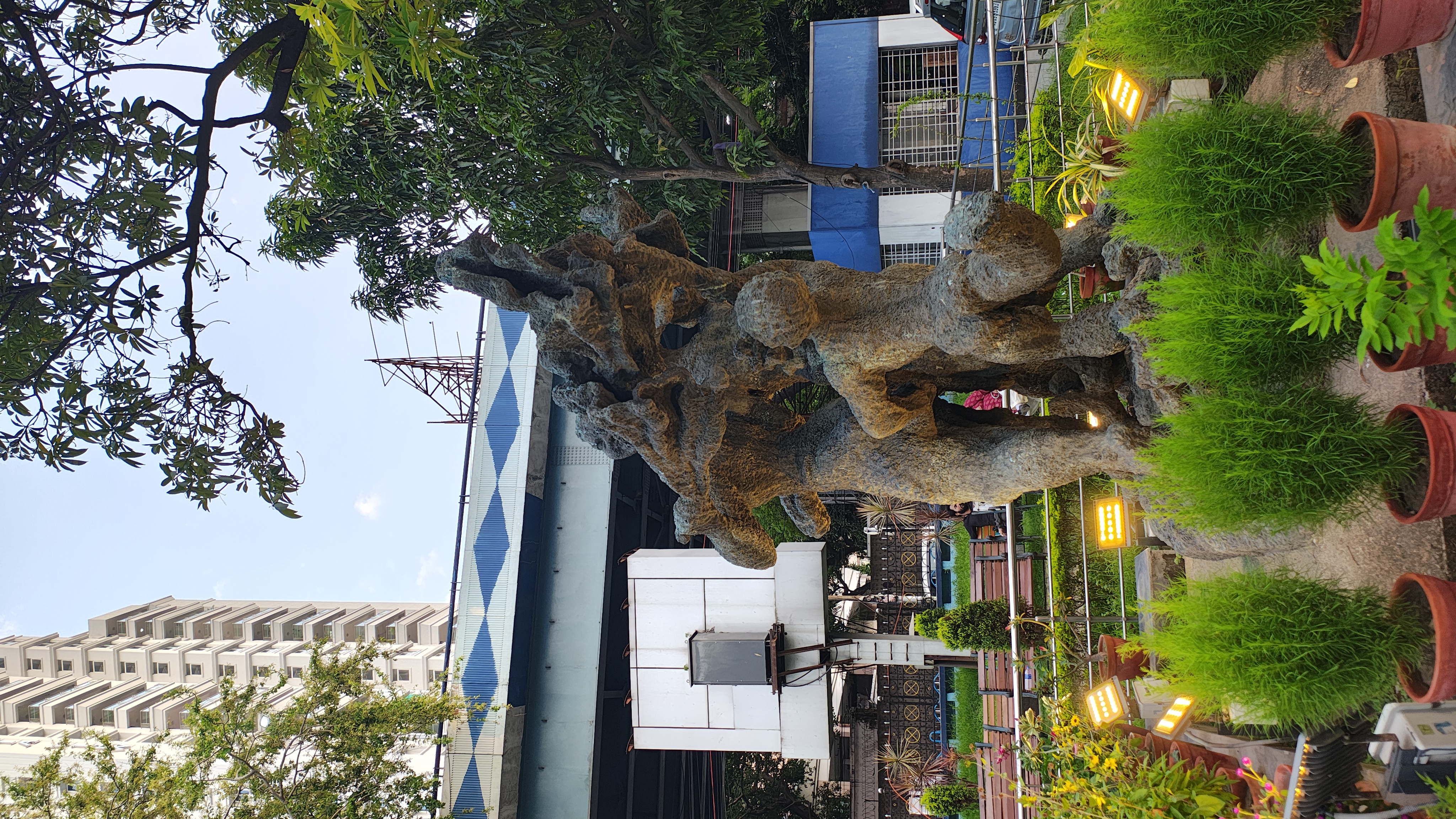
The city’s love for theatre, music, poetry recitals, and street performances creates a cultural atmosphere rarely seen elsewhere in India.
Even everyday life in Kolkata feels cinematic.
Durga Puja: The World’s Largest Celebration of Art & Emotion
If there is one event that defines Kolkata’s cultural spirit, it is Durga Puja.
More than a religious festival, Durga Puja is a massive artistic movement. Every year, artists, sculptors, designers, musicians, and craftsmen come together to transform the city into an open-air art exhibition.
Themes range from mythology and social issues to global architecture and contemporary art installations. Entire neighborhoods compete to create immersive artistic experiences.
UNESCO’s recognition of Kolkata’s Durga Puja as an Intangible Cultural Heritage of Humanity further cemented the city’s place on the global cultural map.
Watch UNESCO's insider access for durga puja.
For a few days every year, Kolkata stops being just a city — it becomes emotion itself.
Colonial Heritage Meets Bengali Soul
Kolkata’s cultural identity is also deeply shaped by its colonial past. As the former capital of British India, the city inherited grand architecture, historic institutions, and European influences that blended uniquely with Bengali traditions.
Landmarks like Indian Museum, Victoria Memorial, and Marble Palace reflect this fascinating fusion of East and West.
But unlike many cities that lost their soul to modernization, Kolkata preserved its character.
Its tram lines still move through decades-old streets. Its coffee houses still host endless conversations. Its Rajbaris still whisper stories of another era.
The city moves slowly — and proudly so.
Cinema, Music & Theatre: The Emotional Language of Kolkata
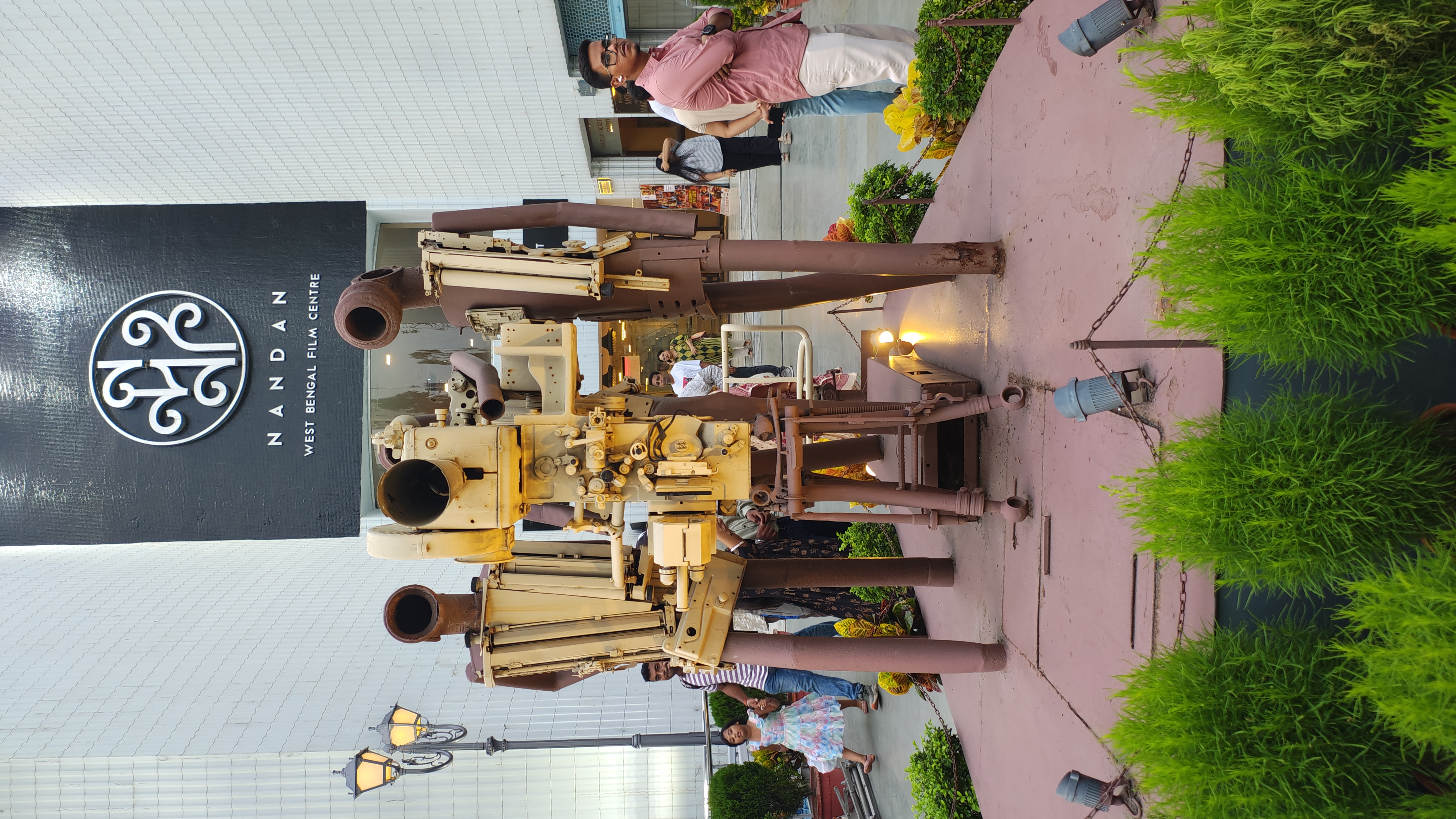
Kolkata’s contribution to Indian cinema and performing arts is unmatched.
The works of Satyajit Ray introduced Indian storytelling to global audiences, while Bengali theatre became a powerful medium for social and political expression.
Music in Kolkata ranges from Rabindra Sangeet and classical compositions to Baul folk traditions and modern indie performances.
Culture here is not treated as entertainment alone — it is a way of life.
A City That Finds Beauty in Nostalgia
Perhaps Kolkata’s greatest cultural strength lies in its ability to preserve nostalgia.
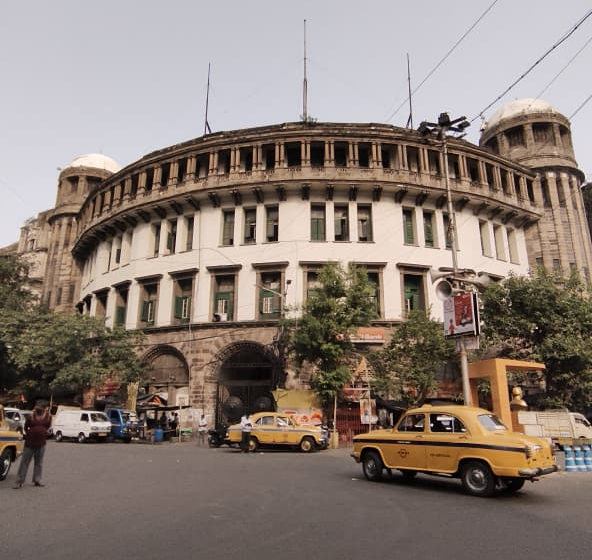
Old yellow taxis, crumbling colonial balconies, handwritten shop signs, tram bells, century-old sweet shops, and evening addas over tea create an atmosphere that feels untouched by time.
In a rapidly changing world, Kolkata reminds people to slow down and feel.
That emotional connection is what transforms visitors into storytellers.
Why Kolkata’s Culture Matters Today
In an age driven by speed and technology, Kolkata continues to protect human connection, creativity, conversation, and artistic expression.
It teaches us that culture is not built only through monuments or museums.
Culture lives in:
Stories passed through generations; Music heard during evening walks; Art created by local craftsmen; Intellectual debates at tea stalls; Festivals that unite entire communities;
Kolkata remains India’s Cultural Capital because it never stopped valuing these things.
Experience the Soul of Kolkata with Zyvago
At Zyvago, we believe travel is more meaningful when it connects people to stories, heritage, and emotion.
Kolkata is not a city you simply visit.
It is a city you experience slowly — through its culture, people, art, history, and timeless spirit.
Because some cities show you places.
Kolkata shows you identity.