The history of BBD Bagh
30th May, 2026
The Story Behind B.B.D. Bagh: Why Benoy, Badal & Dinesh Still Matter Today
For many visitors, B.B.D. Bagh is the administrative heart of Kolkata—a district of grand colonial buildings, busy offices, and iconic landmarks. Yet behind the name lies one of the most powerful stories of India's freedom struggle, a story that transformed a place once known as Dalhousie Square into a memorial of courage and sacrifice.
Who Were Benoy, Badal and Dinesh?
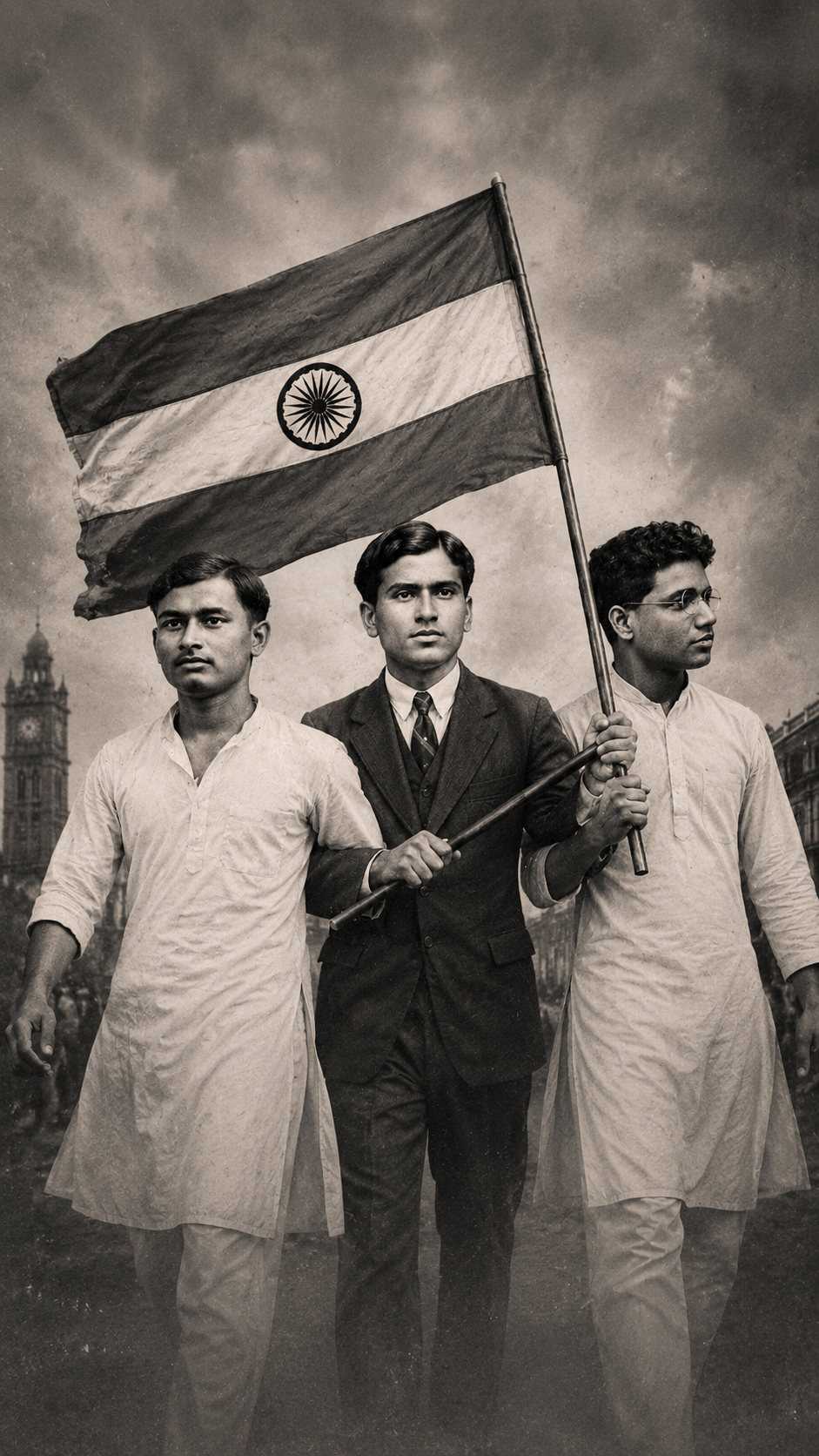
Benoy Basu, Badal Gupta, and Dinesh Gupta were young revolutionaries associated with the Bengal Volunteers movement during British rule. At a time when political prisoners in colonial jails faced harsh treatment, the trio became symbols of resistance against oppression.
On 8 December 1930, they entered the Writers' Building—the administrative headquarters of the Bengal Government—and targeted Colonel N.S. Simpson, the Inspector General of Prisons, who was widely criticized for his treatment of Indian political prisoners.
The operation became one of the most dramatic acts of resistance in colonial Bengal. Surrounded by British forces, the revolutionaries chose sacrifice over surrender, ensuring that their names would become part of India's struggle for freedom.
Why Was Their Contribution Important?
The significance of Benoy, Badal, and Dinesh extends beyond a single event.
Their actions highlighted the plight of political prisoners and demonstrated the determination of a generation unwilling to accept colonial injustice. While India's independence movement included many approaches—from constitutional reform to mass civil disobedience—the sacrifices of revolutionaries like B.B.D. reflected the intensity of the desire for freedom.
Their story inspired countless young Indians and became a symbol of courage in Bengal's broader contribution to the independence movement.
How Did Dalhousie Square Become B.B.D. Bagh?
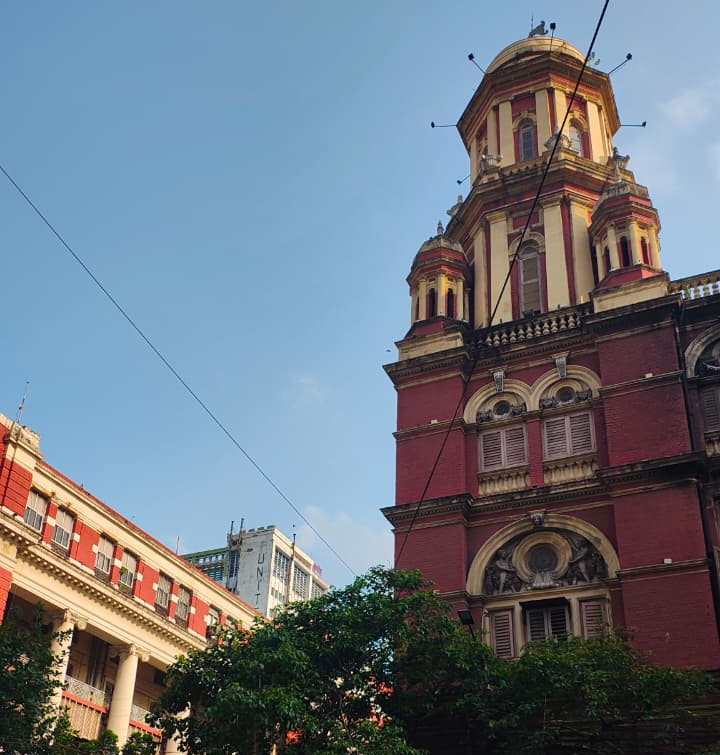
Following India's independence, Dalhousie Square was renamed B.B.D. Bagh in honour of Benoy, Badal, and Dinesh.
The renaming was more than a change of address. It represented a shift in memory—from commemorating colonial administrators to celebrating Indian heroes who fought for self-determination.
Today, every government office, heritage building, and business operating around the square exists within a space named after three young men who helped shape the nation's history.
Exploring B.B.D. Bagh Today
Walking through B.B.D. Bagh is like turning the pages of Kolkata's history. The area is surrounded by architectural landmarks such as Writers' Building, the General Post Office, St. Andrew's Church, Raj Bhavan, and the historic Lal Dighi.
Yet understanding the story behind the name adds a deeper dimension to the experience. The district is not merely a collection of colonial-era structures—it is a landscape where stories of power, resistance, and transformation intersect.
At Zyvago, we believe that heritage is best understood through stories. B.B.D. Bagh is not just a destination on a map; it is a reminder that places carry memories. And few places in Kolkata preserve the memory of courage as powerfully as the square named after Benoy, Badal, and Dinesh.
Every city has landmarks. Kolkata has stories behind them.
The next time you stand beside Lal Dighi or admire the grand facades of B.B.D. Bagh, remember that the name is more than an abbreviation. It is a tribute to three young revolutionaries whose sacrifice helped shape India's journey toward freedom.