Generational Involvement in the Craftsmanship & Artistry Spaces of Durga Pujo
15th June, 2026
Durga Pujo is not just a festival in Bengal — it is an inheritance. Behind every illuminated pandal, every intricately painted idol, every rhythmic beat of the dhak, and every handcrafted decoration lies generations of families who have dedicated their lives to preserving this extraordinary cultural tradition.
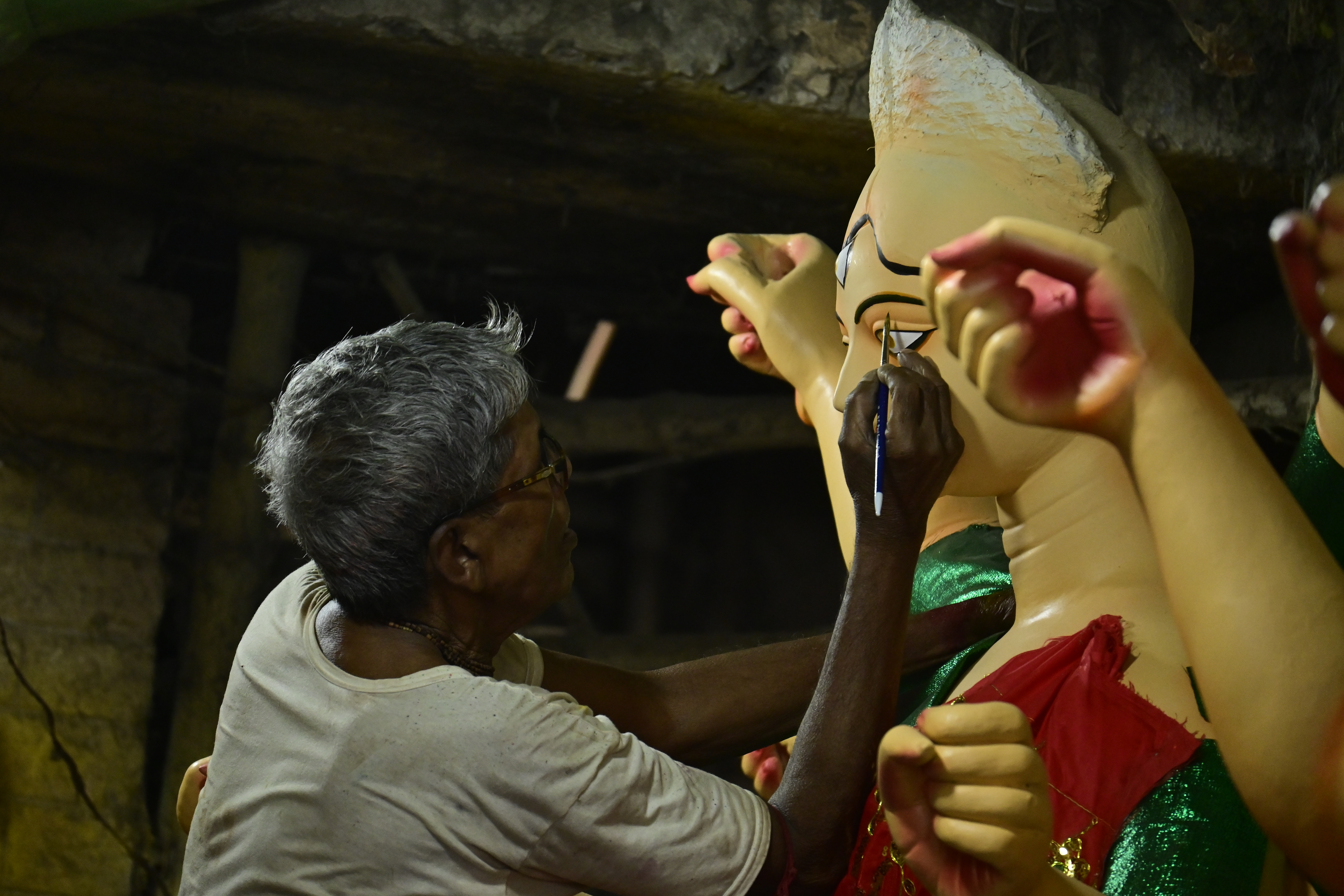
For centuries, Durga Pujo has survived not because of institutions, but because of people — artisans, craftsmen, sculptors, painters, drummers, weavers, and decorators who pass down their skills from one generation to the next like sacred knowledge.
The Legacy of Kumartuli
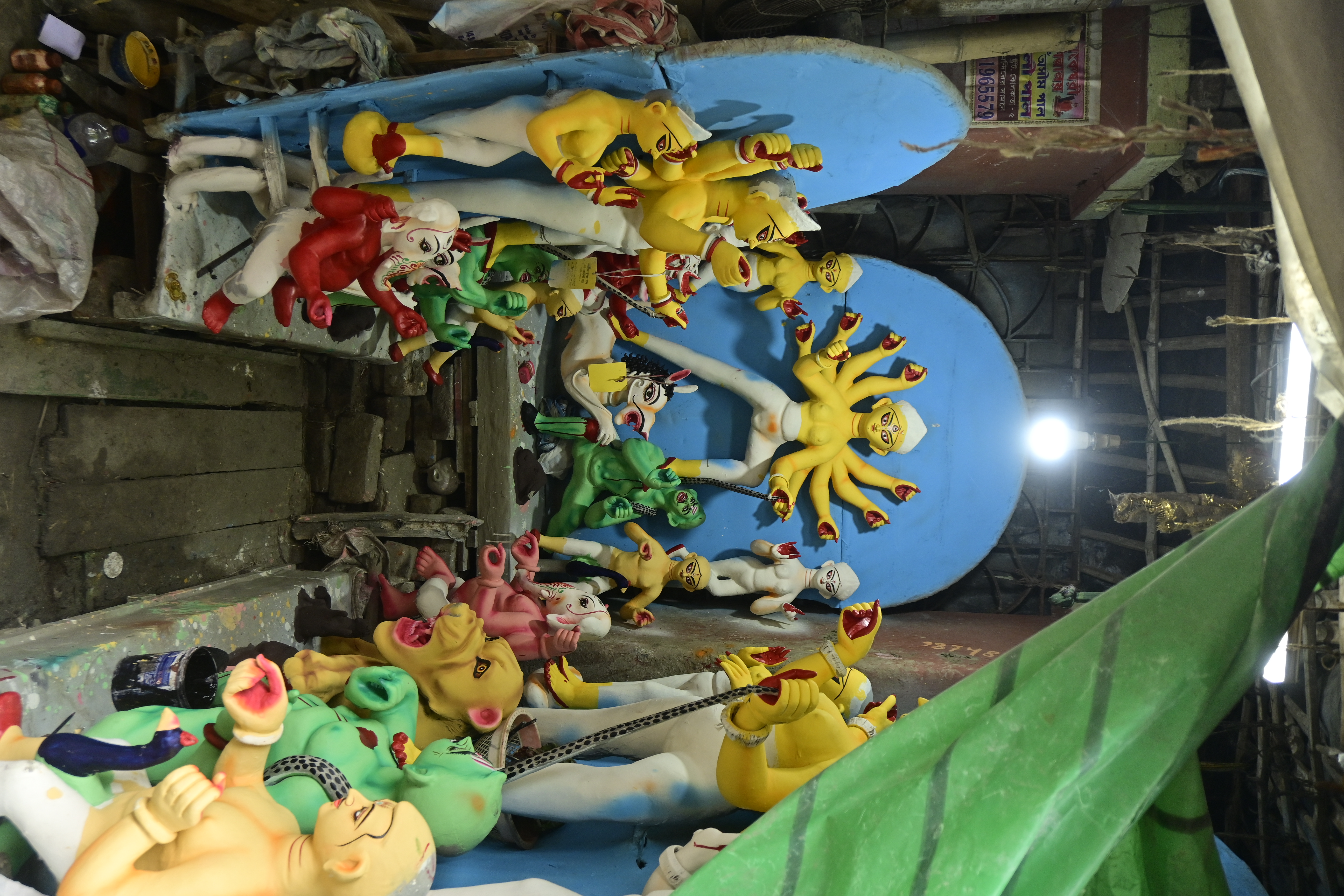
Perhaps the most iconic example of generational artistry is Kumartuli in Kolkata, where idol-making families have worked for decades — some for over a hundred years. Young children grow up surrounded by clay, bamboo structures, paint brushes, and unfinished idols. What begins as observation slowly becomes participation.
A grandfather shapes the framework, the father perfects facial features, and the younger generation experiments with modern artistic styles while still respecting tradition. Durga idol-making is not merely a profession here; it is family identity.
Even in today’s digital era, many younger artisans continue the craft despite challenges from commercialization and mass production, ensuring that the soul of Durga Pujo remains handmade and deeply human.
Art Beyond the Idol
Durga Pujo craftsmanship extends far beyond idol creation. Entire families are involved in:
- Pandal architecture and theme design
- Traditional lighting installations
- Shola and dokra artwork
- Hand-painted backdrops
- Textile and costume work
- Dhak making and performance
- Ritual decoration and floral artistry
In many villages and old Kolkata neighborhoods, these skills are learned informally at home rather than through formal institutions. The workshop itself becomes a classroom where stories, techniques, and cultural values are shared across generations.
The Evolution of Tradition
Modern Durga Pujo has evolved into one of the world’s largest public art festivals. Contemporary pandals now incorporate global themes, social messages, sustainability, and experimental materials. Yet even within this evolution, generational involvement remains central.
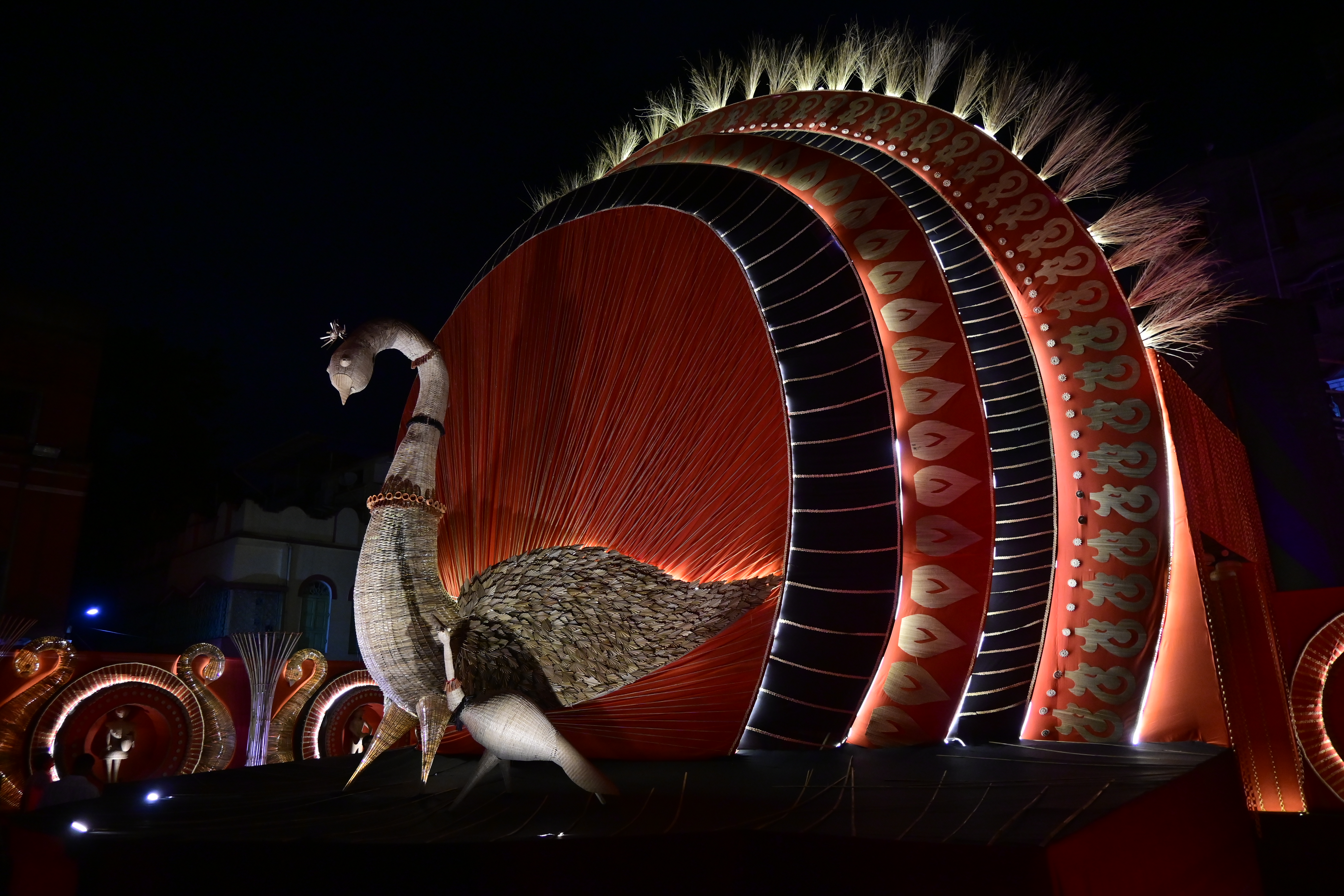
Young designers bring digital visualization and modern aesthetics, while older craftsmen provide technical wisdom rooted in decades of experience. This collaboration between tradition and innovation is what makes Durga Pujo unique.
The festival continuously reinvents itself without losing its emotional and cultural core.
Bonedi Bari & Family Traditions
In Bengal’s historic Bonedi Bari pujos, generational continuity becomes even more visible. Families that have organized Durga Pujo for over 100 or 200 years continue rituals exactly as their ancestors once performed them.
Younger family members participate in:
- Sindoor Khela preparations
- Dhunuchi Naach
- Bhog distribution
- Traditional music performances
- Ritual arrangements and heritage preservation
These rituals create emotional continuity between past and present, turning Durga Pujo into a living archive of Bengali heritage.
Sustaining Livelihoods Through Art
For many artisan communities, Durga Pujo is also an economic lifeline. Entire ecosystems depend on the festival season — clay workers, bamboo suppliers, painters, electricians, fabric merchants, drummers, and decorators.
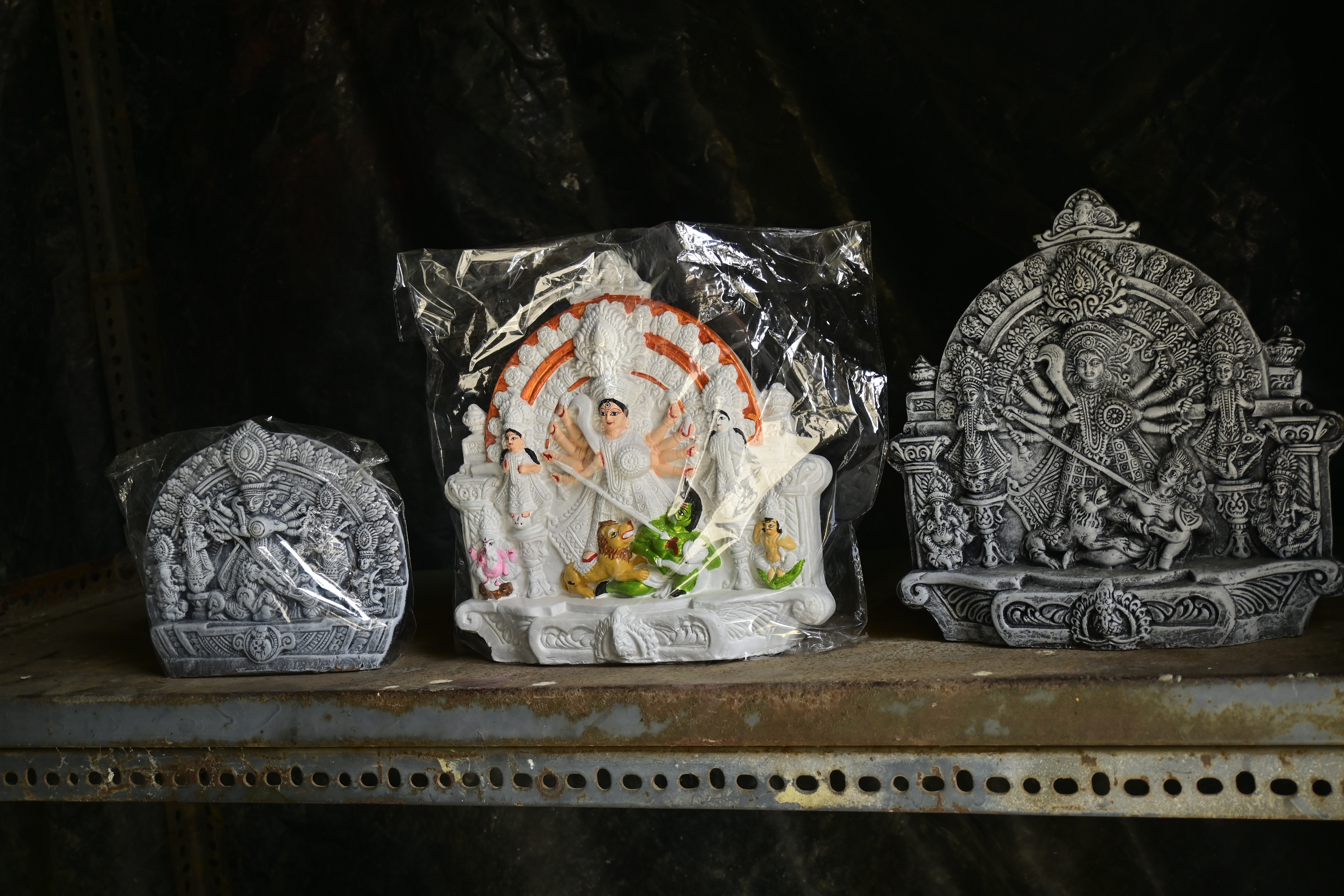
Generational participation ensures not only cultural survival but also sustainable livelihoods. Supporting handcrafted Durga Pujo artistry means supporting thousands of families who keep Bengal’s creative traditions alive.
Durga Pujo as a Living Heritage
The recognition of Durga Puja by UNESCO as an Intangible Cultural Heritage of Humanity highlighted something Bengalis have always known — this festival is not only about worship but about collective creativity.
Every handmade idol, every crafted pandal, and every artistic ritual carries the fingerprints of generations.
Durga Pujo is where heritage breathes through art, where craftsmanship becomes devotion, and where one generation quietly teaches the next how to keep Bengal’s soul alive.