Maa Durga’s Ten Hands: A Timeless Symbol of Women Empowerment
13th June, 2026
In a world where conversations around women empowerment are becoming increasingly important, Indian culture has long celebrated the strength, resilience, intelligence, and courage of women through the divine form of Maa Durga.
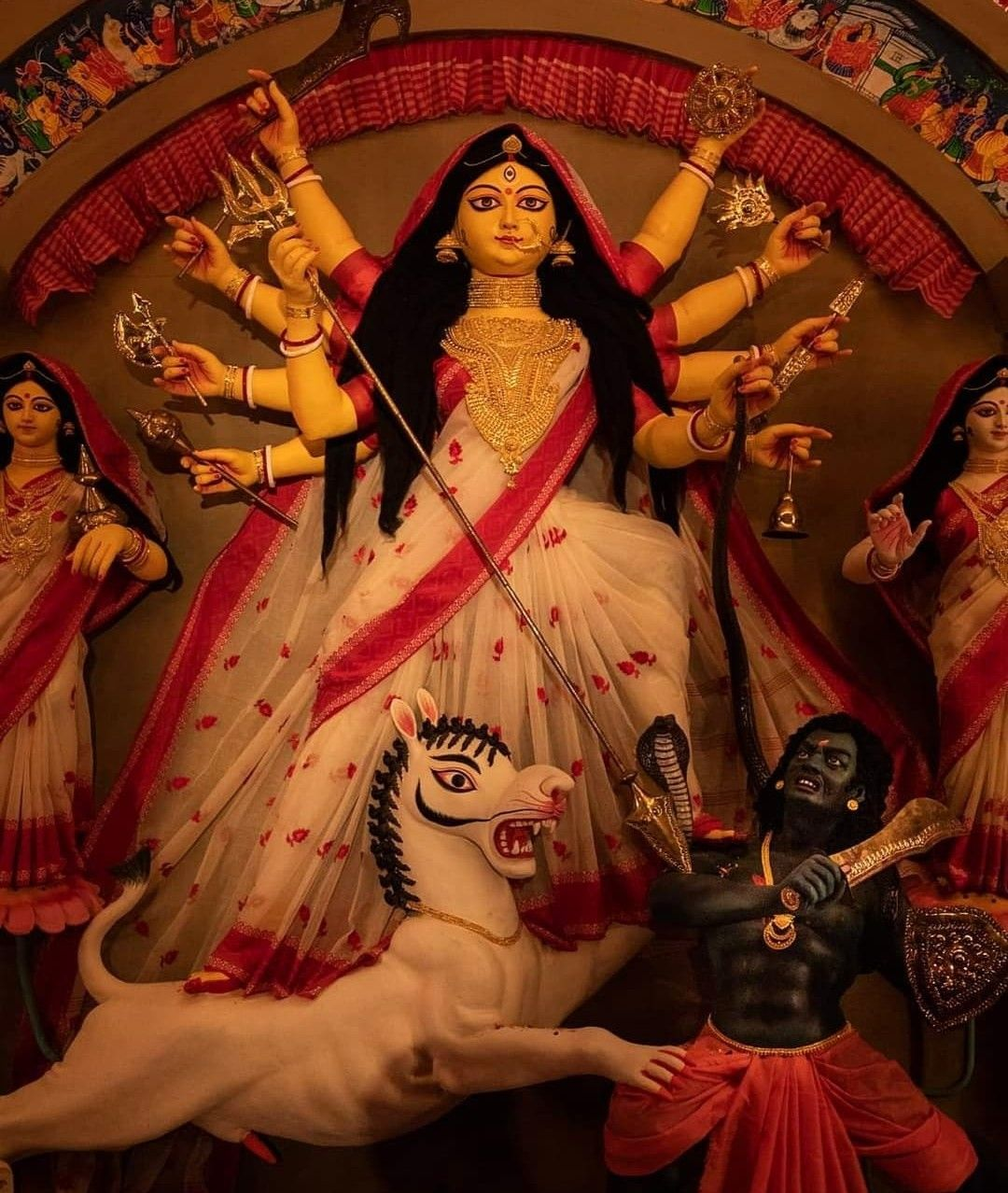
Every year during Durga Puja, millions gather to worship the goddess not merely as a symbol of faith, but as the embodiment of power itself. Among the many striking aspects of Maa Durga’s iconography, her ten hands stand out as a profound representation of the many roles, responsibilities, and strengths women carry through life.
The Meaning Behind Maa Durga’s Ten Hands
Maa Durga is often depicted with ten hands, each holding a different weapon or symbolic object gifted by various gods. These are not just instruments of battle — they represent qualities required to fight evil, injustice, fear, and negativity.
Her hands carry:
- The trident symbolizing courage and destruction of evil
- The sword representing knowledge and wisdom
- The conch for positivity and righteousness
- The lotus for grace and purity
- The chakra for protection and balance
- The bow and arrow for focus and determination
Together, they signify that true strength is multidimensional.
A Reflection of Modern Women
Today’s women often balance countless responsibilities at once — professionals, mothers, leaders, caregivers, entrepreneurs, creators, and changemakers. Maa Durga’s ten hands beautifully mirror this reality.
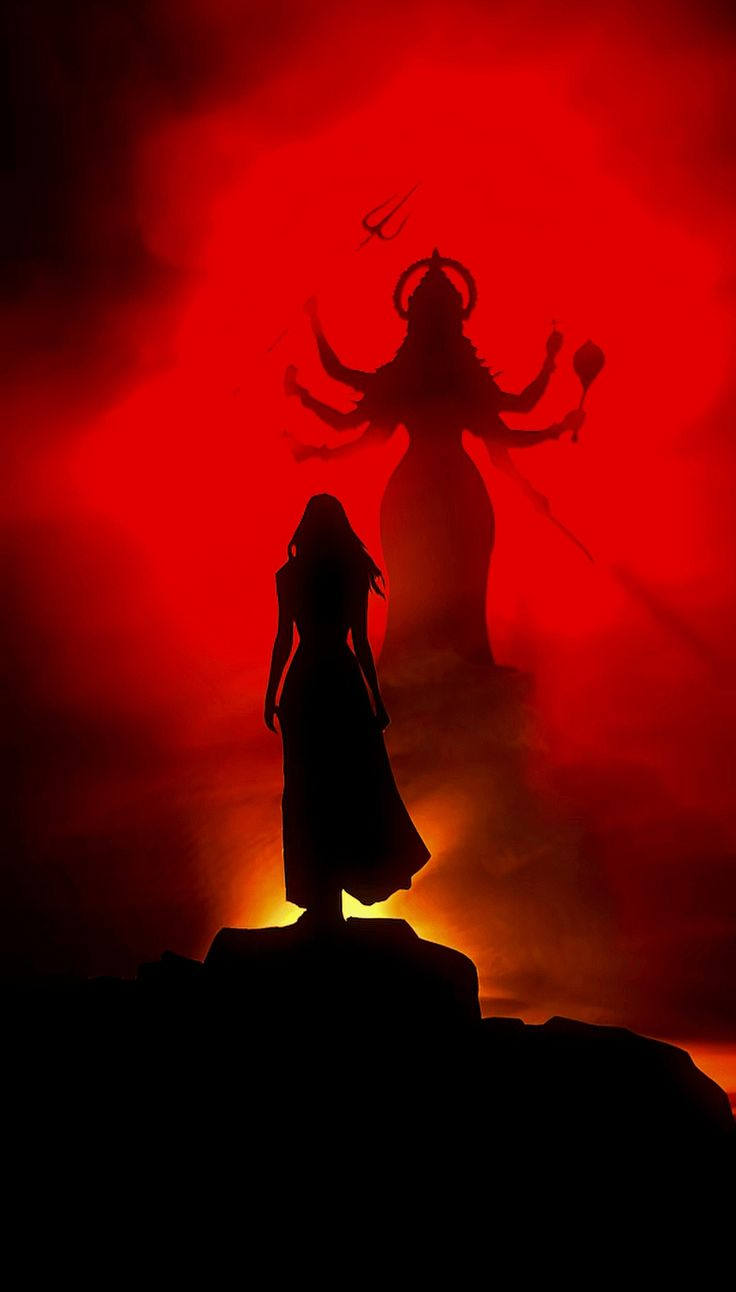
Just like the goddess, women constantly adapt, protect, nurture, lead, and overcome challenges in different aspects of life. Her image reminds society that women are not limited to one role or identity.
The symbolism feels especially relevant in today’s world:
- Strength without losing compassion
- Leadership with empathy
- Independence with resilience
- Power balanced by wisdom
Maa Durga teaches that femininity and strength are not opposites — they coexist.
Durga Puja: More Than a Festival
Durga Puja is not just a religious celebration; it is a cultural reminder of feminine power triumphing over darkness. The story of Maa Durga defeating Mahishasura symbolizes the victory of good over evil, but it also highlights the idea that when collective powers unite in the form of a woman, no force can overpower her.
In Bengal, the arrival of Maa Durga is emotional and deeply personal. She is worshipped as a daughter returning home, but also revered as the fiercest warrior capable of protecting the universe.
This duality — nurturing yet powerful — is what makes Maa Durga such a timeless symbol of women empowerment.
Lessons We Can Learn from Maa Durga
1. Embrace Every Role with Confidence
Maa Durga’s ten hands remind us that women can successfully handle multiple responsibilities without diminishing their individuality.
2. Strength Comes in Many Forms
Power is not always loud or aggressive. Patience, compassion, wisdom, and emotional resilience are also forms of strength.
3. Stand Against Injustice
Durga’s battle against evil symbolizes courage to stand up against oppression, inequality, and fear.
4. Unity Creates Power
According to mythology, Maa Durga was created by the combined energies of all gods. It reflects how collective support and unity can create unstoppable strength.
Why This Symbolism Still Matters Today
Even centuries later, Maa Durga continues to inspire women across generations. Her image is seen not only in temples and pandals, but also in art, literature, activism, and modern conversations about gender equality.
At a time when the world is redefining leadership and empowerment, Maa Durga remains a powerful reminder that women have always been central to strength, transformation, and change.
Her ten hands are not mythical exaggerations — they are reflections of the countless unseen tasks, emotional burdens, sacrifices, and victories women manage every single day.
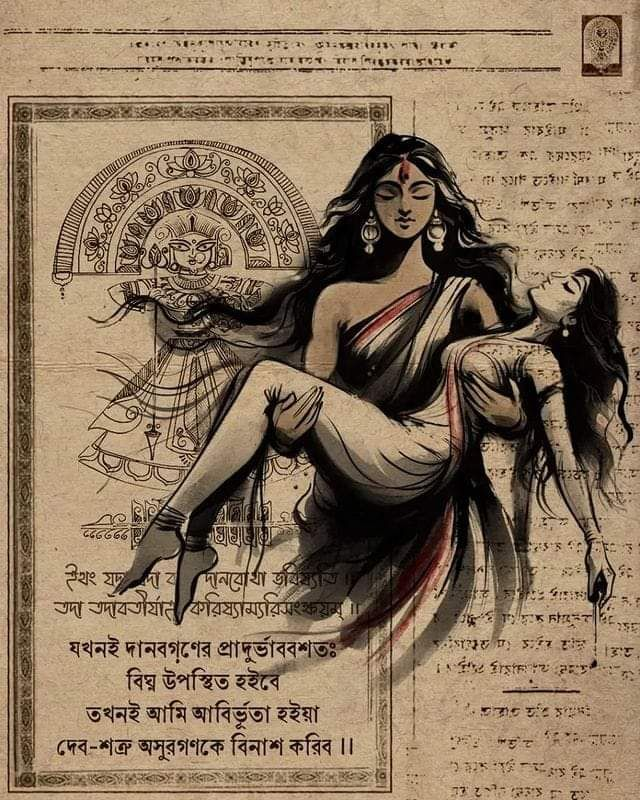
Maa Durga is far more than a goddess of mythology. She is a timeless representation of courage, dignity, balance, and empowerment.
Her ten hands symbolize the extraordinary ability of women to rise, protect, nurture, create, and lead — often all at once.
As the dhaak beats echo through the streets during Durga Puja and the face of Maa Durga lights up beautifully decorated pandals, her message remains eternal:
Women are powerful, capable, and divine.