Kolkata - The City of Joy
28th May, 2026
Why Kolkata is Called the City of Joy?
There are cities that impress you with skylines. There are cities that overwhelm you with luxury. And then there is Kolkata — a city that quietly enters your memory and never truly leaves.
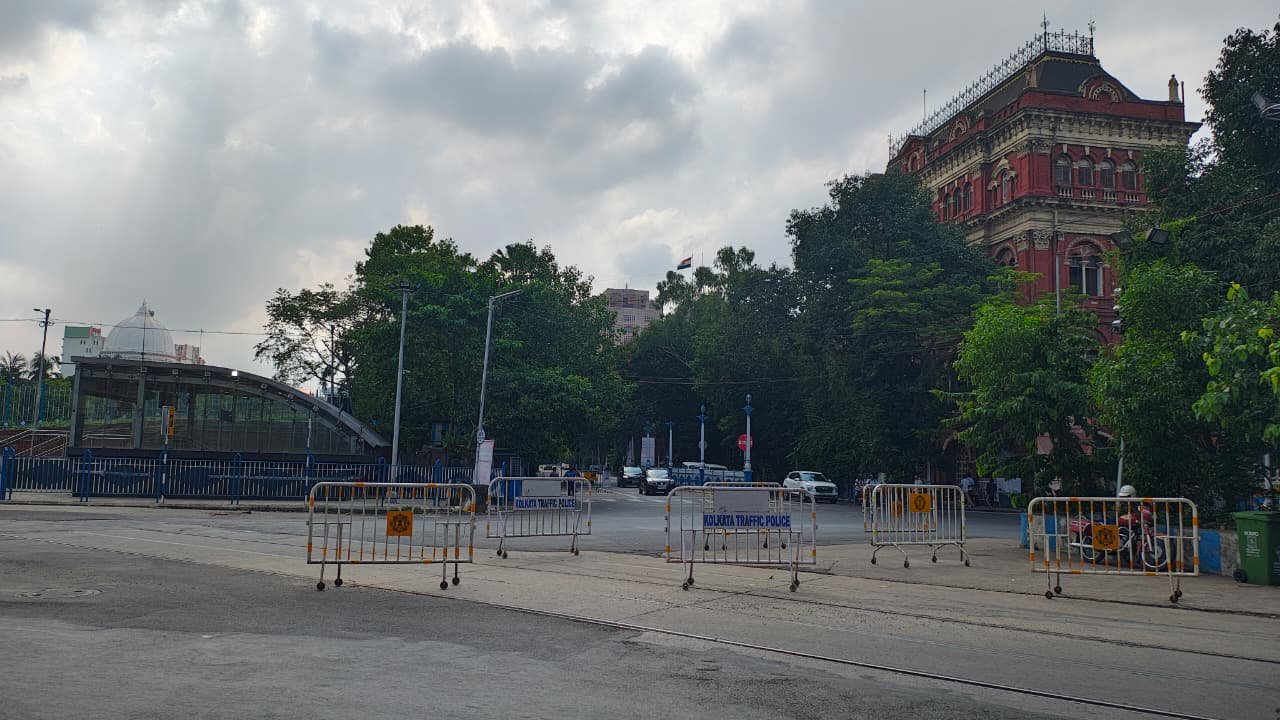
For decades, Kolkata has carried the title “City of Joy.” To outsiders, the phrase may sound poetic. But once you walk through its old lanes, hear tram bells at dusk, watch conversations unfold over endless cups of tea, or witness Durga Puja transform an entire metropolis into living art — the meaning becomes impossible to ignore.
Kolkata is not joyful in a superficial way. Its joy comes from culture, emotion, human warmth, and a rare ability to make strangers feel like participants instead of spectators.
A City Where Culture Is Not Preserved — It Is Lived
In many historic cities, heritage survives inside museums.In Kolkata, heritage still breathes in everyday life.
Colonial mansions stand beside centuries-old temples. Literary discussions happen in coffee houses. Classical music performances continue inside private homes. Bookstores overflow onto pavements. Art is not confined to galleries; it spills into the streets during festivals, theatre performances, and neighbourhood celebrations.
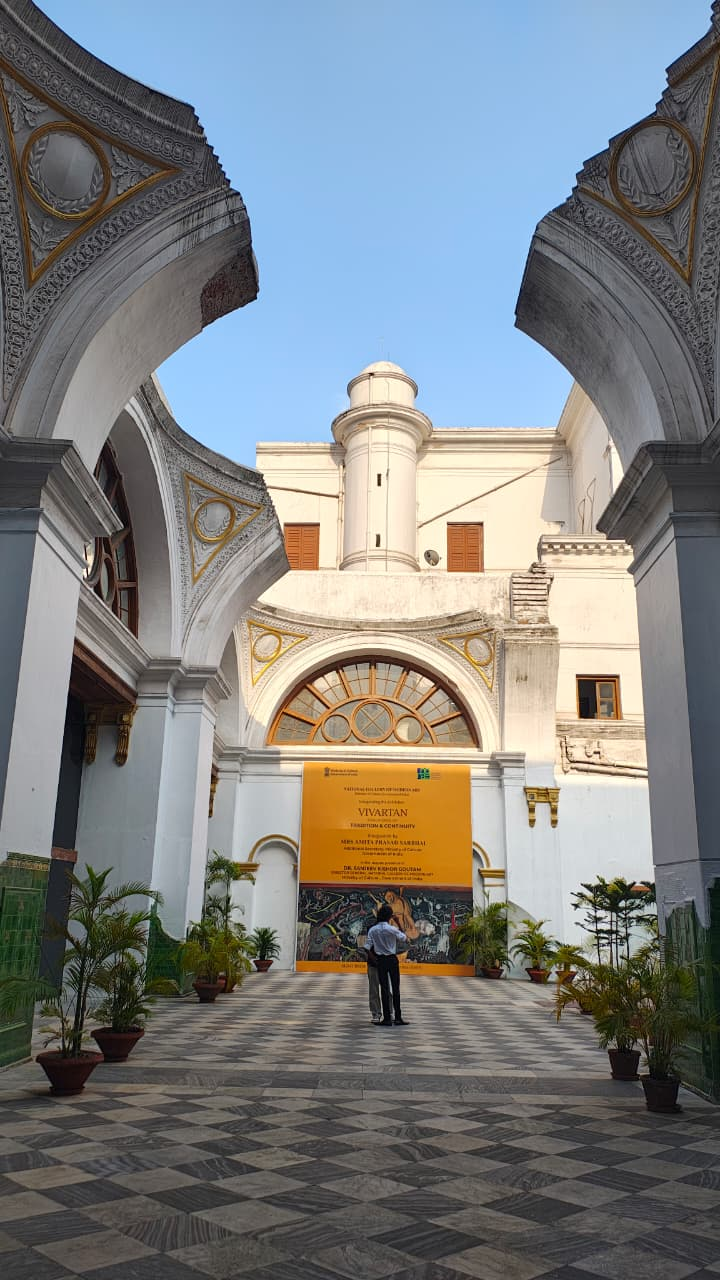
This is one of the reasons Kolkata feels emotionally different from most modern cities. Its culture is not curated for tourists. It exists naturally — woven into daily rhythms.
The city’s intellectual legacy also shaped modern India. From the Bengal Renaissance to Nobel laureate Rabindranath Tagore, Kolkata became a centre for literature, philosophy, cinema, art, and political thought.
The Warmth of Kolkata’s People
What visitors remember most about Kolkata is rarely just the monuments.
It is the people.
Kolkata moves at a human pace. Conversations matter here. A taxi driver may recommend his favourite food stall. A shopkeeper may tell you stories about the neighbourhood. A family may invite you into a centuries-old courtyard during Durga Puja simply because you showed curiosity.
This warmth is deeply embedded in Bengali culture — hospitality that feels personal rather than transactional. Perhaps that is why so many travellers describe Kolkata not as a destination, but as a feeling.
Durga Puja: When the Entire City Becomes Art
If one event defines Kolkata’s spirit, it is Durga Puja.
Every October, the city transforms completely. Streets become open-air galleries. Temporary architectural marvels rise overnight. Music, rituals, food, craftsmanship, and storytelling merge into one enormous cultural phenomenon. UNESCO recognised Durga Puja as an Intangible Cultural Heritage of Humanity — but the experience itself feels far more personal than any global recognition can capture.
There are two versions of Durga Puja. The public spectacle the world photographs — massive pandals, lights, crowds.
And the quieter, older Kolkata hidden inside aristocratic North Kolkata homes, where centuries-old rituals continue in private courtyards passed through generations. Zyvago’s philosophy is built around revealing this deeper version of the city — not merely showing Kolkata, but helping travellers experience its emotional and cultural layers with context.
Because Kolkata is best understood slowly.
A City Built on Stories
Kolkata’s beauty is not polished perfection. Its buildings fade. Its trams move slowly. Its old neighbourhoods carry visible age. But somehow, that imperfection becomes part of its charm.
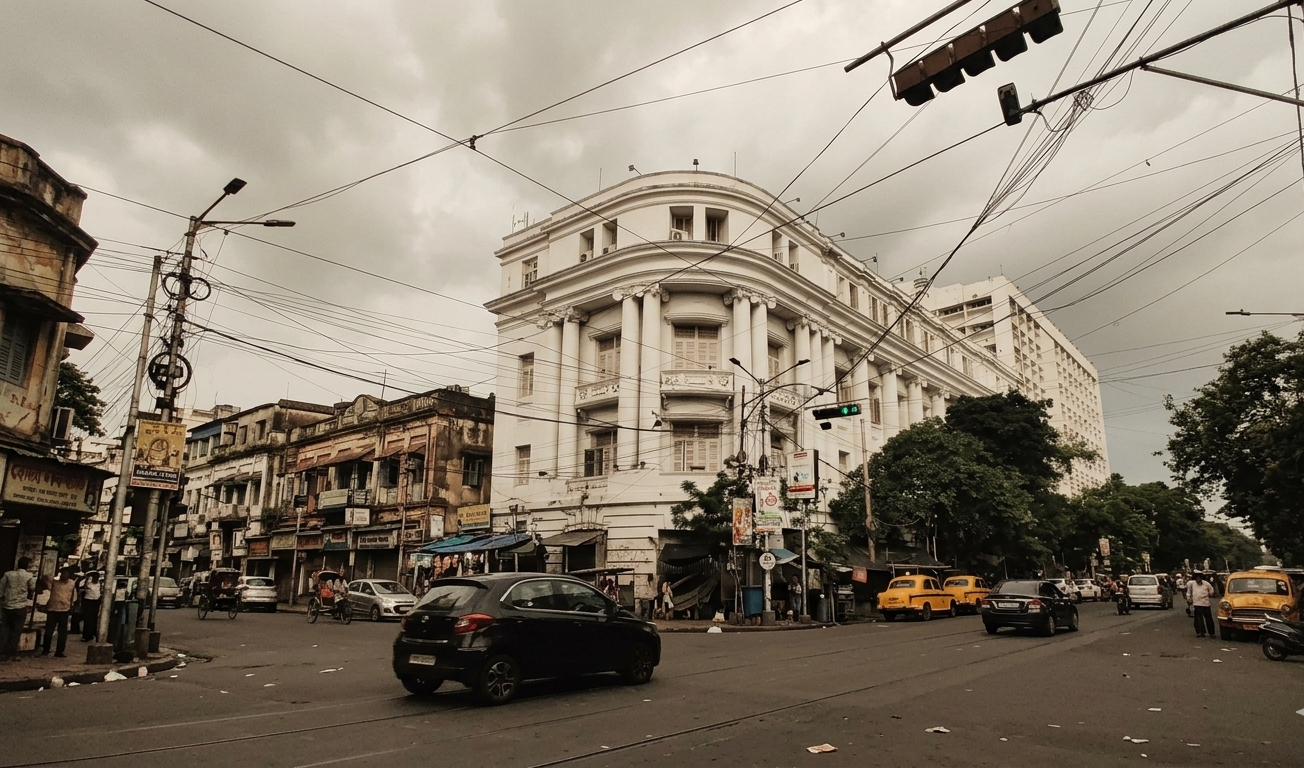
This is a city where history remains visible. The old bookstores of College Street. The flower markets beside the Hooghly River. The fading mansions of North Kolkata. The jazz history of Park Street. The artisans of Kumartuli shaping idols from river clay.
But perhaps Kolkata reveals itself best through its streets. Every lane carries fragments of colonial history, forgotten legends, and cultural memory. If you want to explore how these roads shaped the city’s identity, read our detailed feature on Kolkata’s historic streets: Streets of Calcutta
Every corner feels like a chapter from a larger story.
Why the Name Still Matters?
The phrase “City of Joy” became globally popular through Dominique Lapierre’s famous book, but the title endured because it captured something truthful about Kolkata.
Joy here is not luxury.
It is community. It is culture. It is memory. It is resilience. It is people finding beauty in conversation, festivals, food, music, art, and shared emotion.
Kolkata does not try to impress you instantly. Instead, it slowly reveals itself — through stories, rituals, heritage, and human connection. And perhaps that is why travellers who truly experience Kolkata rarely describe it as just another city.
They describe it as unforgettable.